
The Lament for Ur
The People Mourn
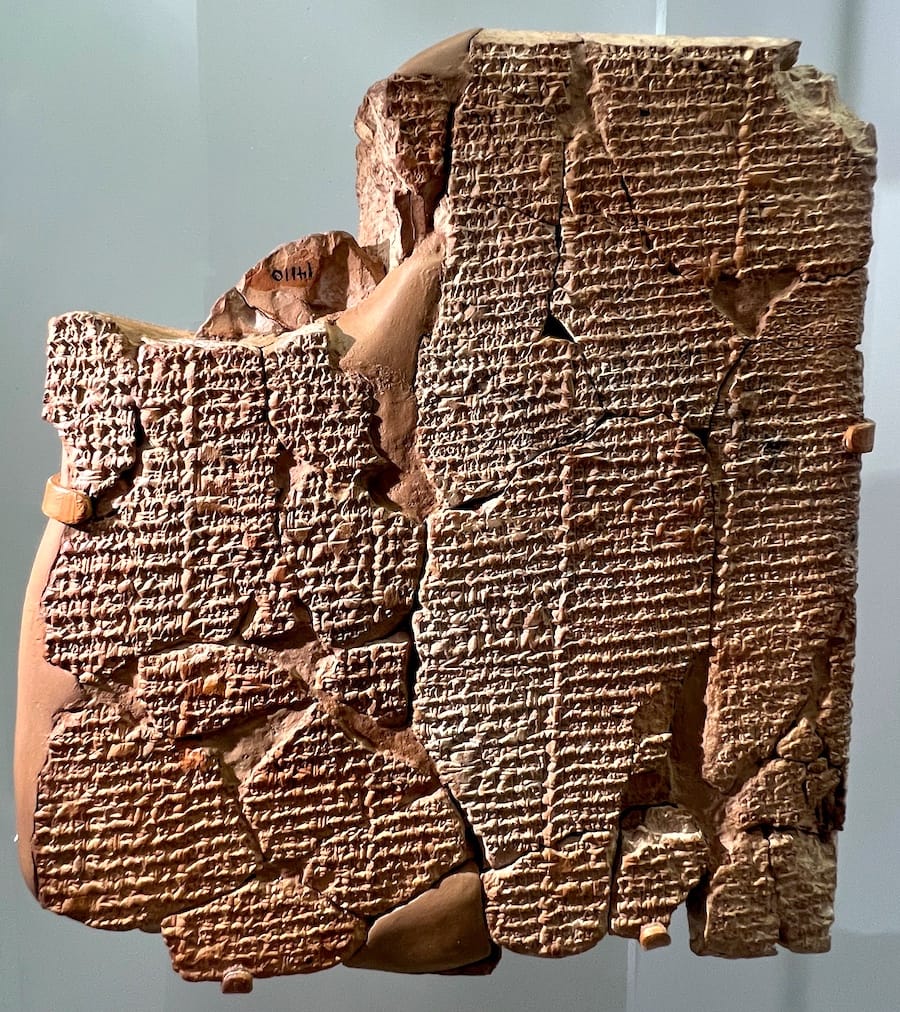
𝗧𝗵𝗲 𝗟𝗮𝗺𝗲𝗻𝘁 𝗳𝗼𝗿 𝗨𝗿
(𝘉𝘦𝘢: 𝘓𝘦𝘵 𝘵𝘩𝘪𝘴 𝘣𝘦 𝘢 𝘸𝘢𝘳𝘯𝘪𝘯𝘨 𝘵𝘰 𝘶𝘴 𝘢𝘭𝘭!)
When I was grieving for that day of storm, that day of storm, destined for me, laid upon me, heavy with tears, that day of storm, destined for me, laid upon me heavy with tears, on me, the Queen.
Though I was trembling for that day of storm, that day of storm destined for me — I could not flee before that day’s fatality. And of a sudden I espied no happy days within my reign, no happy days within my reign. Though I would tremble for that night, that night of cruel weeping destined for me, I could not flee before that night’s fatality. Dread of the storm’s floodlike destruction weighed on me, and of a sudden, on my couch at night, no dreams were granted me.
And of a sudden, on my couch, oblivion; upon my couch oblivion was not granted. Because (this) bitter anguish had been destined for my land — as the cow to the (mired) calf — even had I come to help it on the ground, I could not have pulled my people back out of the mire. Because (this) bitter dolor had been destined for my city, even if I, birdlike, had stretched my wings, and, (like a bird), flown to my city, yet my city would have been destroyed on its foundation, yet Ur would have perished where it lay.
Because that day of storm had raised its hand, and even had I screamed out loud and cried; “𝘛𝘶𝘳𝘯 𝘣𝘢𝘤𝘬, 𝘖 𝘥𝘢𝘺 𝘰𝘧 𝘴𝘵𝘰𝘳𝘮, (𝘵𝘶𝘳𝘯) 𝘵𝘰 (𝘵𝘩𝘺) 𝘥𝘦𝘴𝘦𝘳𝘵,” the breast of that storm would not have been lifted from me. Then verily, to the assembly, where the crowd had not yet risen, while the Anunnaki, binding themselves (to uphold the decision), were still seated, I dragged my feet, and I stretched out my arms; truly, I shed my tears in front of An.
Truly I myself mourned in front of Enlil: “𝘔𝘢𝘺 𝘮𝘺 𝘤𝘪𝘵𝘺 𝘯𝘰𝘵 𝘣𝘦 𝘥𝘦𝘴𝘵𝘳𝘰𝘺𝘦𝘥!” I said indeed to them. “𝘔𝘢𝘺 𝘜𝘳 𝘯𝘰𝘵 𝘣𝘦 𝘥𝘦𝘴𝘵𝘳𝘰𝘺𝘦𝘥!” I said indeed to them. “𝘈𝘯𝘥 𝘮𝘢𝘺 𝘪𝘵𝘴 𝘱𝘦𝘰𝘱𝘭𝘦 𝘯𝘰𝘵 𝘣𝘦 𝘬𝘪𝘭𝘭𝘦𝘥!” I said indeed to them.
But An never bent towards those words, and Enlil never with an, “𝘐𝘵 𝘪𝘴 𝘱𝘭𝘦𝘢𝘴𝘪𝘯𝘨, 𝘴𝘰 𝘣𝘦 𝘪𝘵!” did soothe my heart. (Behold,) they gave instruction that the city be 𝗱𝗲𝘀𝘁𝗿𝗼𝘆𝗲𝗱, (behold,) they gave instruction that Ur be destroyed, and as its destiny decreed that its inhabitants be killed. Enlil (wind god or spirit) called the storm.
𝗧𝗵𝗲 𝗽𝗲𝗼𝗽𝗹𝗲 𝗺𝗼𝘂𝗿𝗻.
Winds of abundance he took from the land. 𝗧𝗵𝗲 𝗽𝗲𝗼𝗽𝗹𝗲 𝗺𝗼𝘂𝗿𝗻.
Good winds he took away from Sumer. 𝘁𝗵𝗲 𝗽𝗲𝗼𝗽𝗹𝗲 𝗺𝗼𝘂𝗿𝗻.
Deputed evil winds. 𝗧𝗵𝗲 𝗽𝗲𝗼𝗽𝗹𝗲 𝗺𝗼𝘂𝗿𝗻.
Entrusted them to Kingaluda, tender of storms.
He called the storm that annihilates the land. 𝗧𝗵𝗲 𝗽𝗲𝗼𝗽𝗹𝗲 𝗺𝗼𝘂𝗿𝗻.
He called disastrous winds. 𝗧𝗵𝗲 𝗽𝗲𝗼𝗽𝗹𝗲 𝗺𝗼𝘂𝗿𝗻.
Enlil — choosing Gibil as his helper — called the (great) hurricane of heaven. 𝗧𝗵𝗲 𝗽𝗲𝗼𝗽𝗹𝗲 𝗺𝗼𝘂𝗿𝗻.
The (blinding) hurricane howling across the skies — the people mourn — the tempest unsubduable, like breaks through levees, beats down upon, devours the city’s ships,(all these) he gathered at the base of heaven. 𝗧𝗵𝗲 𝗽𝗲𝗼𝗽𝗹𝗲 𝗺𝗼𝘂𝗿𝗻.
(Great) fires he lit that heralded the storm. 𝗧𝗵𝗲 𝗽𝗲𝗼𝗽𝗹𝗲 𝗺𝗼𝘂𝗿𝗻.
And lit on either flank of furious winds, the searing heat of the desert.
Like the flaming heat of noon, this fire scorched.
The storm ordered by Enlil in hate, the storm which wears away the country, covered Ur like a cloth, veiled it like a linen sheet.
On that day did the storm leave the city; that city was a ruin.
O father Nanna, that town was left a ruin. 𝗧𝗵𝗲 𝗽𝗲𝗼𝗽𝗹𝗲 𝗺𝗼𝘂𝗿𝗻.
On that day did the storm leave the country. 𝗧𝗵𝗲 𝗽𝗲𝗼𝗽𝗹𝗲 𝗺𝗼𝘂𝗿𝗻.
Its people(‘s corpses), not potsherds, littered the approaches.
The walls were gaping; the high gates, the roads, were piled with dead.
In the wide streets, where feasting crowds (once) gathered, jumbled they lay.
In all the streets and roadways bodies lay.
In open fields that used to fill with dancers, the people lay in heaps.
The country’s blood now filled its holes, like metal in a mold; bodies dissolved — like butter left in the sun.
O my father who engendered me! What has my city done to you?
Why have you turned away from it?
O Enlil! What has my city done to you?
Why have you turned away from it?
The ship of first fruits no longer brings first fruits to the engendering father and no longer goes in to Enlil in Nippur with your bread and food portions!
O my father who engendered me! Fold again into your arms my city from its loneliness!
O Enlil! Fold again my Ur into your arms from its loneliness! Fold again my (temple) Ekishnugal into your arms from its loneliness!
Let renown emerge for you in Ur! Let the people expand for you: let the ways of Sumer, which have been destroyed, be restored for you!
Enlil answered his son Suen (saying): “𝘛𝘩𝘦 𝘩𝘦𝘢𝘳𝘵 𝘰𝘧 𝘵𝘩𝘦 𝘸𝘢𝘴𝘵𝘦𝘥 𝘤𝘪𝘵𝘺 𝘪𝘴 𝘸𝘦𝘦𝘱𝘪𝘯𝘨, 𝘳𝘦𝘦𝘥𝘴 (𝘧𝘰𝘳 𝘧𝘭𝘶𝘵𝘦𝘴) 𝘰𝘧 𝘭𝘢𝘮𝘦𝘯𝘵 𝘨𝘳𝘰𝘸 𝘵𝘩𝘦𝘳𝘦𝘪𝘯, 𝘪𝘵𝘴 𝘩𝘦𝘢𝘳𝘵 𝘪𝘴 𝘸𝘦𝘦𝘱𝘪𝘯𝘨, 𝘳𝘦𝘦𝘥𝘴 (𝘧𝘰𝘳 𝘧𝘭𝘶𝘵𝘦𝘴) 𝘰𝘧 𝘭𝘢𝘮𝘦𝘯𝘵 𝘨𝘳𝘰𝘸 𝘵𝘩𝘦𝘳𝘦𝘪𝘯, 𝘪𝘵𝘴 𝘱𝘦𝘰𝘱𝘭𝘦 𝘴𝘱𝘦𝘯𝘥 𝘵𝘩𝘦 𝘥𝘢𝘺 𝘪𝘯 𝘸𝘦𝘦𝘱𝘪𝘯𝘨.
𝘖 𝘯𝘰𝘣𝘭𝘦 𝘕𝘢𝘯𝘯𝘢, 𝘣𝘦 𝘵𝘩𝘰𝘶 (𝘤𝘰𝘯𝘤𝘦𝘳𝘯𝘦𝘥) 𝘢𝘣𝘰𝘶𝘵 𝘺𝘰𝘶𝘳𝘴𝘦𝘭𝘧, 𝘸𝘩𝘢𝘵 𝘵𝘳𝘶𝘤𝘬 𝘩𝘢𝘷𝘦 𝘺𝘰𝘶 𝘸𝘪𝘵𝘩 𝘵𝘦𝘢𝘳𝘴? 𝘛𝘩𝘦𝘳𝘦 𝘪𝘴 𝘯𝘰 𝘳𝘦𝘷𝘰𝘬𝘪𝘯𝘨 𝘢 𝘷𝘦𝘳𝘥𝘪𝘤𝘵, 𝘢 𝘥𝘦𝘤𝘳𝘦𝘦 𝘰𝘧 𝘵𝘩𝘦 𝘢𝘴𝘴𝘦𝘮𝘣𝘭𝘺, 𝘢 𝘤𝘰𝘮𝘮𝘢𝘯𝘥 𝘰𝘧 𝘈𝘯 𝘢𝘯𝘥 𝘌𝘯𝘭𝘪𝘭 𝘪𝘴 𝘯𝘰𝘵 𝘬𝘯𝘰𝘸𝘯 𝘦𝘷𝘦𝘳 𝘵𝘰 𝘩𝘢𝘷𝘦 𝘣𝘦𝘦𝘯 𝘤𝘩𝘢𝘯𝘨𝘦𝘥.
𝘜𝘳 𝘸𝘢𝘴 𝘷𝘦𝘳𝘪𝘭𝘺 𝘨𝘳𝘢𝘯𝘵𝘦𝘥 𝘢 𝘬𝘪𝘯𝘨𝘴𝘩𝘪𝘱 — 𝘢 𝘭𝘢𝘴𝘵𝘪𝘯𝘨 𝘵𝘦𝘳𝘮 𝘪𝘵 𝘸𝘢𝘴 𝘯𝘰𝘵 𝘨𝘳𝘢𝘯𝘵𝘦𝘥.
𝘍𝘳𝘰𝘮 𝘥𝘢𝘺𝘴 𝘰𝘧 𝘺𝘰𝘳𝘦 𝘸𝘩𝘦𝘯 𝘵𝘩𝘦 𝘤𝘰𝘶𝘯𝘵𝘳𝘺 𝘸𝘢𝘴 𝘧𝘪𝘳𝘴𝘵 𝘴𝘦𝘵𝘵𝘭𝘦𝘥, 𝘵𝘰 𝘸𝘩𝘦𝘳𝘦 𝘪𝘵 𝘩𝘢𝘴 𝘯𝘰𝘸 𝘱𝘳𝘰𝘤𝘦𝘦𝘥𝘦𝘥, 𝘞𝘩𝘰 𝘦𝘷𝘦𝘳 𝘴𝘢𝘸 𝘢 𝘵𝘦𝘳𝘮 𝘰𝘧 𝘰𝘧𝘧𝘪𝘤𝘦 𝘤𝘰𝘮𝘱𝘭𝘦𝘵𝘦𝘥? 𝘐𝘵𝘴 𝘬𝘪𝘯𝘨𝘴𝘩𝘪𝘱, 𝘪𝘵𝘴 𝘵𝘦𝘳𝘮 𝘰𝘧 𝘰𝘧𝘧𝘪𝘤𝘦, 𝘩𝘢𝘴 𝘣𝘦𝘦𝘯 𝘶𝘱𝘳𝘰𝘰𝘵𝘦𝘥. 𝘐𝘵 𝘮𝘶𝘴𝘵 𝘸𝘰𝘳𝘳𝘺. (𝘠𝘰𝘶) 𝘮𝘺 𝘕𝘢𝘯𝘯𝘢, 𝘥𝘰 𝘺𝘰𝘶 𝘯𝘰𝘵 𝘸𝘰𝘳𝘳𝘺! 𝘓𝘦𝘢𝘷𝘦 𝘺𝘰𝘶𝘳 𝘤𝘪𝘵𝘺!”
(Sumerian text, c. 2600 BC)