
Red Herrings and Biology
The only available mechanism of public exclusion is appearance-based, which is a gender-based criterion, not a biological one. The paper thus demonstrates that the biological arguments deployed against transgender inclusion function as red herrings.
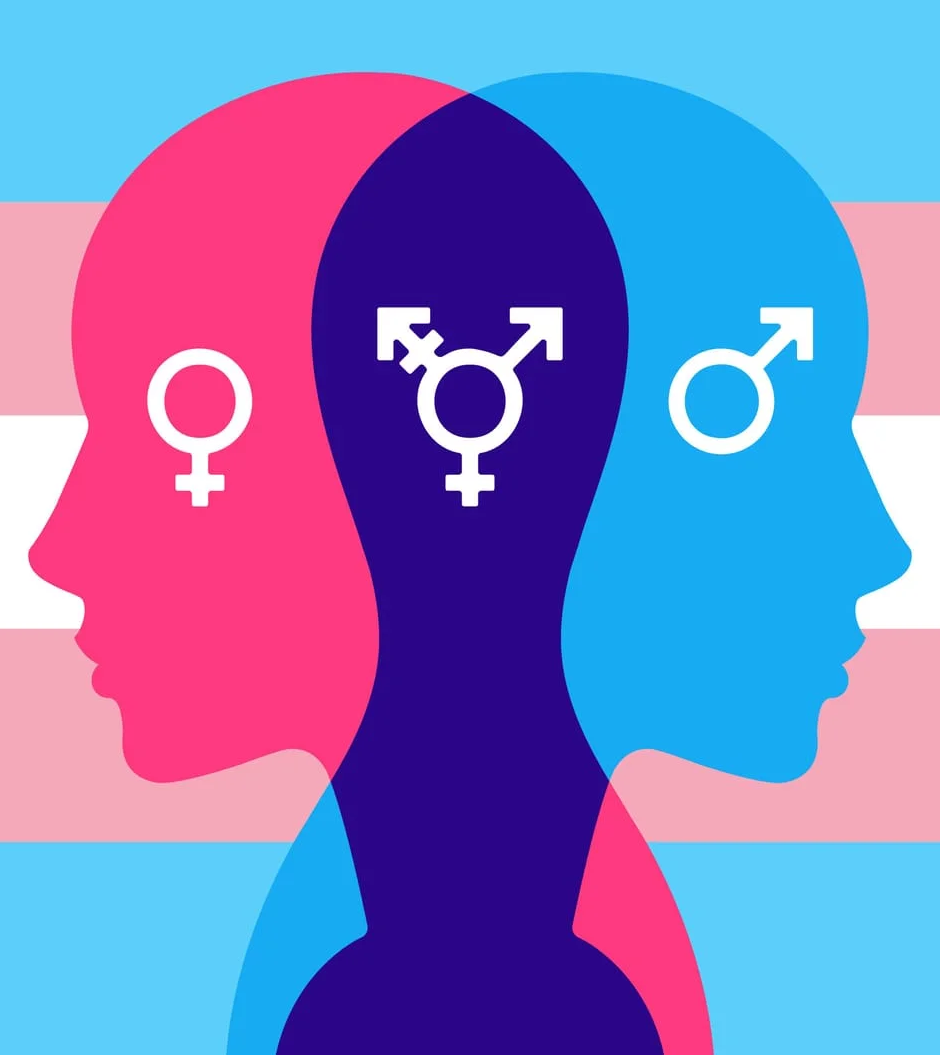
Biological Red Herrings
Beatrix Elizabeth Groves-McDaniel
Whitley Bay, June 30th 2026
𝘐𝘯 𝘱𝘳𝘪𝘯𝘤𝘪𝘱𝘭𝘦:
"𝘛𝘩𝘦 𝘢𝘷𝘦𝘳𝘢𝘨𝘦 𝘱𝘦𝘳𝘴𝘰𝘯 𝘬𝘯𝘰𝘸𝘴 𝘭𝘪𝘵𝘵𝘭𝘦 𝘰𝘳 𝘯𝘰𝘵𝘩𝘪𝘯𝘨 𝘢𝘣𝘰𝘶𝘵 𝘢𝘯𝘰𝘵𝘩𝘦𝘳 𝘱𝘦𝘳𝘴𝘰𝘯'𝘴 𝘪𝘯𝘵𝘦𝘳𝘯𝘢𝘭 𝘰𝘳 𝘦𝘹𝘵𝘦𝘳𝘯𝘢𝘭 𝘣𝘪𝘰𝘭𝘰𝘨𝘺. 𝘛𝘩𝘢𝘵 𝘪𝘴 𝘵𝘰 𝘴𝘢𝘺, 𝘐 𝘮𝘢𝘺 𝘪𝘥𝘦𝘯𝘵𝘪𝘧𝘺 𝘺𝘰𝘶𝘳 𝘦𝘹𝘵𝘦𝘳𝘯𝘢𝘭 𝘣𝘰𝘥𝘺 𝘮𝘰𝘳𝘱𝘩𝘰𝘭𝘰𝘨𝘺, 𝘣𝘶𝘵 𝘐 𝘩𝘢𝘷𝘦 𝘯𝘰 𝘬𝘯𝘰𝘸𝘭𝘦𝘥𝘨𝘦 𝘰𝘧 𝘺𝘰𝘶𝘳 𝘪𝘯𝘵𝘦𝘳𝘯𝘢𝘭 𝘰𝘳𝘨𝘢𝘯𝘴 𝘰𝘳 𝘨𝘦𝘯𝘦𝘵𝘪𝘤𝘴. 𝘐 𝘮𝘶𝘴𝘵 𝘢𝘭𝘴𝘰 𝘱𝘰𝘪𝘯𝘵 𝘰𝘶𝘵 𝘵𝘩𝘢𝘵 𝘣𝘺 '𝘬𝘯𝘰𝘸𝘭𝘦𝘥𝘨𝘦' 𝘐 𝘮𝘦𝘢𝘯 𝘴𝘶𝘣𝘴𝘵𝘢𝘯𝘵𝘪𝘷𝘦, 𝘧𝘢𝘭𝘴𝘪𝘧𝘪𝘢𝘣𝘭𝘦 𝘦𝘷𝘪𝘥𝘦𝘯𝘤𝘦. 𝘐𝘯 𝘨𝘦𝘯𝘦𝘳𝘢𝘭, 𝘵𝘩𝘦 𝘣𝘦𝘴𝘵 𝘢𝘯𝘺𝘰𝘯𝘦 𝘤𝘢𝘯 𝘥𝘰 𝘪𝘴 𝘎𝘜𝘌𝘚𝘚 𝘢𝘯𝘰𝘵𝘩𝘦𝘳 𝘱𝘦𝘳𝘴𝘰𝘯'𝘴 𝘣𝘪𝘰𝘭𝘰𝘨𝘺 𝘣𝘶𝘵 𝘯𝘰𝘵 𝘒𝘕𝘖𝘞 𝘢𝘣𝘰𝘶𝘵 𝘪𝘵. 𝘛𝘩𝘦 𝘦𝘹𝘤𝘦𝘱𝘵𝘪𝘰𝘯𝘴 𝘢𝘳𝘦 𝘷𝘦𝘳𝘺 𝘥𝘪𝘴𝘵𝘪𝘯𝘤𝘵 𝘢𝘯𝘥 '𝘱𝘳𝘰𝘷𝘦 𝘵𝘩𝘦 𝘳𝘶𝘭𝘦': 𝘮𝘺 𝘥𝘰𝘤𝘵𝘰𝘳 𝘢𝘯𝘥 𝘴𝘦𝘹𝘶𝘢𝘭 𝘱𝘢𝘳𝘵𝘯𝘦𝘳 𝘮𝘢𝘺 𝘬𝘯𝘰𝘸 𝘮𝘺 𝘣𝘪𝘰𝘭𝘰𝘨𝘺. 𝘔𝘢𝘺𝘣𝘦 𝘮𝘺 𝘮𝘰𝘵𝘩𝘦𝘳 𝘵𝘰𝘰, 𝘰𝘳 𝘮𝘺 𝘱𝘩𝘺𝘴𝘪𝘤𝘢𝘭 𝘵𝘳𝘢𝘪𝘯𝘦𝘳. 𝘉𝘶𝘵 𝘪𝘵'𝘴 𝘤𝘭𝘦𝘢𝘳 𝘵𝘩𝘢𝘵 𝘬𝘯𝘰𝘸𝘭𝘦𝘥𝘨𝘦 𝘰𝘧 𝘢 𝘱𝘦𝘳𝘴𝘰𝘯'𝘴 𝘣𝘪𝘰𝘭𝘰𝘨𝘺 𝘪𝘴 𝘢 𝘷𝘦𝘳𝘺 𝘪𝘯𝘵𝘪𝘮𝘢𝘵𝘦 𝘵𝘩𝘪𝘯𝘨. 𝘛𝘩𝘦 𝘸𝘢𝘺 𝘸𝘦 𝘋𝘖 𝘪𝘥𝘦𝘯𝘵𝘪𝘧𝘺 𝘦𝘢𝘤𝘩 𝘰𝘵𝘩𝘦𝘳 𝘱𝘶𝘣𝘭𝘪𝘤𝘭𝘺 𝘪𝘴 𝘷𝘪𝘢 𝘨𝘦𝘯𝘥𝘦𝘳 𝘢𝘭𝘰𝘯𝘦.
𝘚𝘰, 𝘸𝘪𝘵𝘩𝘪𝘯 𝘵𝘩𝘦 𝘷𝘦𝘳𝘺 𝘣𝘳𝘰𝘢𝘥 𝘥𝘰𝘮𝘢𝘪𝘯𝘴 𝘰𝘧 '𝘮𝘢𝘭𝘦' 𝘢𝘯𝘥 '𝘧𝘦𝘮𝘢𝘭𝘦', 𝘩𝘰𝘸 𝘥𝘰 𝘸𝘦 𝘪𝘥𝘦𝘯𝘵𝘪𝘧𝘺 𝘦𝘢𝘤𝘩 𝘰𝘵𝘩𝘦𝘳? 𝘛𝘩𝘪𝘴 𝘤𝘢𝘯 𝘖𝘕𝘓𝘠 𝘣𝘦 𝘣𝘺 𝘵𝘩𝘦 𝘴𝘪𝘨𝘯𝘴 𝘢𝘯𝘥 𝘴𝘪𝘨𝘯𝘪𝘧𝘪𝘦𝘳𝘴 𝘰𝘧 𝘤𝘰𝘯𝘷𝘦𝘯𝘵𝘪𝘰𝘯𝘢𝘭 𝘴𝘰𝘤𝘪𝘢𝘭 𝘴𝘪𝘨𝘯𝘢𝘭𝘭𝘪𝘯𝘨. 𝘉𝘺 𝘵𝘩𝘪𝘴 𝘐 𝘮𝘦𝘢𝘯 𝘢𝘱𝘱𝘦𝘢𝘳𝘢𝘯𝘤𝘦: 𝘤𝘭𝘰𝘵𝘩𝘦𝘴, 𝘣𝘰𝘥𝘪𝘭𝘺 𝘴𝘩𝘢𝘱𝘦, 𝘱𝘰𝘴𝘵𝘶𝘳𝘦, 𝘣𝘰𝘥𝘪𝘭𝘺 𝘥𝘦𝘤𝘰𝘳𝘢𝘵𝘪𝘰𝘯, 𝘷𝘰𝘪𝘤𝘦 𝘦𝘵𝘤 -- 𝘢𝘭𝘭 𝘰𝘧 𝘸𝘩𝘪𝘤𝘩 𝘢𝘳𝘦 𝘧𝘰𝘶𝘯𝘥𝘦𝘥 𝘪𝘯 𝘩𝘪𝘴𝘵𝘰𝘳𝘪𝘤 𝘵𝘳𝘢𝘥𝘪𝘵𝘪𝘰𝘯 𝘵𝘩𝘢𝘵 𝘤𝘩𝘢𝘯𝘨𝘦𝘴 𝘰𝘷𝘦𝘳 𝘵𝘪𝘮𝘦. 𝘞𝘩𝘢𝘵 𝘸𝘢𝘴 𝘴𝘦𝘦𝘯 𝘢𝘴 𝘪𝘥𝘦𝘯𝘵𝘪𝘧𝘪𝘢𝘣𝘭𝘺 𝘮𝘢𝘭𝘦 𝘰𝘳 𝘧𝘦𝘮𝘢𝘭𝘦 𝘩𝘢𝘴 𝘳𝘢𝘥𝘪𝘤𝘢𝘭𝘭𝘺 𝘤𝘩𝘢𝘯𝘨𝘦𝘥. 𝘕𝘰 𝘱𝘢𝘳𝘵𝘪𝘤𝘶𝘭𝘢𝘳 𝘦𝘳𝘢 𝘩𝘢𝘴 𝘦𝘷𝘦𝘳 𝘩𝘢𝘥 𝘢 𝘧𝘰𝘶𝘯𝘥𝘢𝘵𝘪𝘰𝘯𝘢𝘭 𝘮𝘰𝘯𝘰𝘱𝘰𝘭𝘺 𝘰𝘯 𝘵𝘩𝘦𝘴𝘦 𝘨𝘦𝘯𝘥𝘦𝘳 (𝘕𝘉!) 𝘴𝘪𝘨𝘯𝘪𝘧𝘪𝘦𝘳𝘴. 𝘍𝘰𝘳 𝘤𝘭𝘢𝘳𝘪𝘵𝘺, 𝘪𝘧 𝘐 𝘢𝘮 𝘰𝘶𝘵 𝘢𝘯𝘥 𝘢𝘣𝘰𝘶𝘵 𝘐 𝘯𝘦𝘷𝘦𝘳 𝘥𝘴𝘵𝘪𝘯𝘨𝘶𝘪𝘴𝘩 𝘮𝘦𝘯 𝘢𝘯𝘥 𝘸𝘰𝘮𝘦𝘯 𝘣𝘺 𝘵𝘩𝘦𝘪𝘳 𝘣𝘪𝘰𝘭𝘰𝘨𝘺; 𝘰𝘯𝘭𝘺 𝘣𝘺 𝘵𝘩𝘦𝘪𝘳 𝘢𝘱𝘱𝘦𝘢𝘳𝘢𝘯𝘤𝘦. 𝘈𝘱𝘱𝘦𝘢𝘳𝘢𝘯𝘤𝘦 𝘪𝘴 𝘢 𝘨𝘦𝘯𝘥𝘦𝘳-𝘣𝘢𝘴𝘦𝘥 𝘤𝘩𝘢𝘳𝘢𝘤𝘵𝘦𝘳𝘪𝘴𝘵𝘪𝘤. 𝘐𝘵 𝘥𝘦𝘵𝘦𝘳𝘮𝘪𝘯𝘦𝘴 𝘵𝘩𝘦 𝘧𝘳𝘢𝘨𝘮𝘦𝘯𝘵 𝘰𝘧 𝘵𝘩𝘦 𝘭𝘢𝘳𝘨𝘦𝘳 𝘨𝘦𝘯𝘥𝘦𝘳 𝘥𝘰𝘮𝘢𝘪𝘯 𝘸𝘪𝘵𝘩𝘪𝘯 𝘸𝘩𝘪𝘤𝘩 𝘸𝘦 𝘱𝘭𝘢𝘯𝘵 𝘰𝘶𝘳 𝘱𝘦𝘳𝘴𝘰𝘯𝘢𝘭 𝘨𝘦𝘯𝘥𝘦𝘳 '𝘧𝘭𝘢𝘨'.
𝘛𝘩𝘪𝘴 𝘤𝘰𝘯𝘤𝘦𝘱𝘵 𝘥𝘪𝘴𝘵𝘪𝘯𝘨𝘶𝘪𝘴𝘩𝘦𝘴 𝘴𝘦𝘹 𝘧𝘳𝘰𝘮 𝘨𝘦𝘯𝘥𝘦𝘳, 𝘢𝘯𝘥 𝘸𝘩𝘺 𝘤𝘦𝘳𝘵𝘢𝘪𝘯 𝘱𝘦𝘰𝘱𝘭𝘦 𝘳𝘦𝘧𝘦𝘳 𝘵𝘰 𝘵𝘩𝘦𝘮𝘴𝘦𝘭𝘷𝘦𝘴 𝘢𝘴 𝘵𝘳𝘢𝘯𝘴𝘎𝘌𝘕𝘋𝘌𝘙 𝘱𝘦𝘰𝘱𝘭𝘦, 𝘢𝘯𝘥 𝘯𝘰𝘵 𝘷𝘪𝘢 𝘵𝘩𝘦 𝘰𝘭d𝘦𝘳 (𝘢𝘯𝘥 𝘭𝘦𝘴𝘴 𝘢𝘤𝘤𝘶𝘳𝘢𝘵𝘦) 𝘵𝘦𝘳𝘮 𝘵𝘳𝘢𝘯𝘴𝘚𝘌𝘟𝘶𝘢𝘭. 𝘛𝘩𝘦𝘪𝘳 𝘢𝘳𝘨𝘶𝘮𝘦𝘯𝘵 𝘰𝘧 𝘪𝘥𝘦𝘯𝘵𝘪𝘵𝘺 𝘪s 𝘢𝘣𝘰𝘶𝘵 𝘴𝘰𝘤𝘪𝘢𝘭 𝘱𝘳𝘦𝘴𝘦𝘯𝘤𝘦 (𝘢𝘴 𝘸𝘦 𝘢𝘭𝘭 𝘬𝘯𝘰𝘸 𝘪𝘵) 𝘢𝘯𝘥 𝘯𝘰𝘵 𝘢𝘣𝘰𝘶𝘵 𝘣𝘪𝘰𝘭𝘰𝘨𝘺. 𝘛𝘩𝘦 𝘧𝘢𝘤𝘵 𝘵𝘩𝘢𝘵 𝘢𝘯𝘵𝘪-𝘵𝘳𝘢𝘯𝘴𝘨𝘦𝘯𝘥𝘦𝘳 𝘪𝘯𝘥𝘪𝘷𝘪𝘥𝘶𝘢𝘭𝘴 𝘢𝘳𝘨𝘶𝘦 𝘢𝘣𝘰𝘶𝘵 𝘣𝘪𝘰𝘭𝘰𝘨𝘺 𝘪𝘴, 𝘦𝘧𝘧𝘦𝘤𝘵𝘪𝘷𝘦𝘭𝘺, 𝘣𝘦𝘴𝘪𝘥𝘦 𝘵𝘩𝘦 𝘱𝘰𝘪𝘯𝘵.
𝘏𝘦𝘯𝘤𝘦 𝘪𝘧 𝘴𝘰𝘤𝘪𝘢𝘭 𝘪𝘥𝘦𝘯𝘵𝘪𝘵𝘺 𝘪𝘴 𝘣𝘢𝘴𝘦𝘥 𝘰𝘯 𝘪𝘥𝘦𝘯𝘵𝘪𝘧𝘪𝘢𝘣𝘭𝘦 𝘤𝘶𝘦𝘴 𝘸𝘪𝘵𝘩𝘪𝘯 𝘤𝘰𝘯𝘷𝘦𝘯𝘵𝘪𝘰𝘯𝘢𝘭 𝘨𝘦𝘯𝘥𝘦𝘳 𝘩𝘦𝘨𝘦𝘮𝘰𝘯𝘪𝘦𝘴, 𝘵𝘩𝘦𝘯 𝘵𝘩𝘦 𝘰𝘯𝘭𝘺 𝘢𝘳𝘨𝘶𝘮𝘦n𝘵 𝘵𝘩𝘢𝘵 𝘤𝘢𝘯 𝘣𝘦 𝘮𝘢𝘥𝘦 𝘢𝘣𝘰𝘶𝘵 𝘦𝘹𝘤𝘭𝘶𝘥𝘪𝘯𝘨 𝘵𝘳𝘢𝘯𝘴𝘨𝘦𝘯𝘥𝘦𝘳 𝘱𝘦𝘰𝘱𝘭𝘦 𝘪𝘴 𝘣𝘢𝘴𝘦𝘥 𝘰𝘯 𝘵𝘩𝘦𝘪𝘳 𝘢𝘱𝘱𝘦𝘢𝘳𝘢𝘯𝘤𝘦: 𝘢 𝘤𝘭𝘦𝘢𝘳 𝘢𝘳𝘦a 𝘰𝘧 𝘴𝘰𝘤𝘪𝘰-𝘱𝘴𝘺𝘤𝘩𝘰𝘭𝘰𝘨𝘪𝘤𝘢𝘭 𝘱𝘳𝘦𝘫𝘶𝘥𝘪𝘤𝘦 𝘵𝘩𝘢𝘵 𝘳𝘦𝘧𝘶𝘵𝘦𝘴 𝘪𝘵𝘴𝘦𝘭𝘧 𝘶𝘯𝘥𝘦𝘳 𝘢𝘯𝘺 𝘢𝘯𝘢𝘭𝘺𝘴𝘪𝘴. A𝘯𝘺 𝘴𝘰𝘤𝘪𝘦𝘵𝘺 𝘵𝘩𝘢𝘵 𝘤𝘰𝘯𝘴𝘪𝘥𝘦𝘳𝘴 𝘪𝘵𝘴𝘦𝘭𝘧 𝘫𝘶𝘴𝘵, 𝘰𝘱𝘦𝘯 𝘢𝘯𝘥 𝘪𝘯𝘤𝘭𝘶𝘴𝘪𝘷𝘦 𝘊𝘈𝘕𝘕𝘖𝘛 𝘮𝘢𝘬𝘦 𝘢𝘯 𝘢𝘳𝘨𝘶𝘮𝘦𝘯𝘵 𝘧𝘰𝘳 𝘦𝘹𝘤𝘭𝘶𝘴𝘪𝘰𝘯 𝘣𝘢𝘴𝘦𝘥 𝘰𝘯𝘭𝘺 𝘰𝘯 𝘢𝘱𝘱𝘦𝘢𝘳𝘢𝘯𝘤𝘦. 𝘛𝘩𝘢𝘵 𝘥𝘦𝘮𝘰𝘯 𝘩𝘢𝘴 𝘩𝘢𝘶𝘯𝘵𝘦𝘥 𝘶𝘴 𝘣𝘦𝘧𝘰𝘳𝘦 𝘪𝘯 𝘰𝘵𝘩𝘦𝘳 𝘤𝘰𝘯𝘵𝘦𝘹𝘵𝘴."
(BGMcD)
Abstract
This paper develops a philosophical and scientific critique of the assumption that biological sex provides a coherent, publicly accessible basis for gendered social organisation.
Drawing on feminist philosophy, biology, and gender theory, it argues that biological facts about sex are systematically unknowable to strangers in public life; that public identification between persons proceeds entirely through gender — a socially constructed and historically contingent domain; and that arguments for the exclusion of transgender persons from public life, where they rest on claims about biology, are self-refuting.
The only available mechanism of public exclusion is appearance-based, which is a gender-based criterion, not a biological one. The paper thus demonstrates that the biological arguments deployed against transgender inclusion function as red herrings: they distract from the fact that exclusion is, in every meaningful sense, socio-psychological prejudice operating through the very gender signifiers that structure all public life.
Introduction
Questions about the relationship between biological sex, gender identity, and social organisation are among the most contested in contemporary public life. A recurring move in debates about transgender inclusion — in policy, law, and everyday social interaction — is the appeal to 'biology'. Biological sex, it is claimed, is a clear, objective, and publicly legible fact, and its preservation is necessary for the integrity of gendered institutions such as single-sex spaces, sports categories, and legal categories. On this view, transgender inclusion threatens the very basis of these arrangements.
This paper challenges that appeal. It argues, through several interconnected lines of thought, that biology does not do the work that anti-trans arguments require it to do.
The paper does not deny that biological sex is a meaningful concept in medicine, endocrinology, and reproductive biology. It argues, rather, that biology is epistemically inaccessible to strangers in public life, that public identity is governed entirely by gender — a social and historical construction — and that attempts to exclude transgender persons on biological grounds collapse into the very gender-based criteria they claim to reject.
Biology, in these arguments, functions as a red herring: an apparent justification that draws attention away from the actual mechanism of exclusion, which is socio-psychological prejudice operating through appearance norms.
The Epistemology of Sex: What Strangers Can and Cannot Know
The first and most fundamental point is an epistemological one. In ordinary public life, one person cannot know another person's biology. This is not a contingent limitation — it is a structural feature of social interaction between strangers.
To understand why this is so, it helps to draw on the work of Ludwig Wittgenstein, particularly his discussion of criteria and what it means to know something. In Philosophical Investigations (1953), Wittgenstein draws a crucial distinction between criteria and symptoms. A symptom is an empirical correlation — something we observe that tends to accompany the thing in question. A criterion, by contrast, is what we actually appeal to when we make and justify a claim to knowledge. Criteria are the publicly available, practice-grounded standards within a form of life that determine whether a concept applies. As Wittgenstein writes: "The word "criteria" is a word of our language, a move in the language game" (§354).
When we ask whether someone knows what a word means, or whether someone is in pain, or whether someone is a native speaker of a language, we are not reaching behind the publicly observable practices to some inner fact. We are asking whether the person can deploy the concept appropriately within the relevant form of life — whether they exhibit the capacities, produce the performances, respond in the ways that constitute the concept's correct application. Knowledge, in this framework, is not a private inner state. It is a publicly grounded, practice-constituted capacity.
Applied to the question of sex: what would it mean for a stranger to know another person's biological sex? It would require, at minimum, access to chromosomal data, gonadal structure, hormonal profile, and internal reproductive anatomy. None of these are publicly accessible without invasive examination.
More fundamentally, no public social practice exists for establishing these facts at the level of ordinary interpersonal interaction. There is no language game of casual biological sex verification in public life. We do not ask strangers to present genetic tests. We do not conduct ultrasound scans at the door of a changing room. The entire apparatus of biological sex determination — karyotyping, imaging, hormone assays, clinical examination — belongs to medical and scientific contexts, not to public social interaction.
This point has a further Wittgensteinian depth. Wittgenstein's account of private language — his argument that concepts must be publicly grounded to have meaning — implies that even the idea of casually knowing another person's biology in public life is conceptually incoherent.
There is no public practice of biological sex attribution between strangers, and without such a practice, the claim to 'know' a stranger's biology is empty. It is not merely that we lack the means to acquire this knowledge; it is that the very framework within which such knowledge could exist — a shared, publicly operative standard of evidence and attribution — does not obtain in ordinary public life.
The only exceptions to this general rule are intimate and professional relationships, where forms of access exist that are not available to strangers: a doctor may have clinical access; a sexual partner may have intimate physical contact; a parent may have developmental knowledge accumulated over years. These exceptions prove the rule precisely because they are exceptional access relationships. In their absence — in the default case of public interaction — biological sex is not merely unknown but unknowable in any socially operative sense. As Aja Watkins and Marina DiMarco argue in their recent work on sex eliminativism (2025), even within scientific contexts the concept of 'biological sex' is more contested and context-dependent than popular discourse acknowledges. Their point is that the category resists the kind of stable, unified, publicly deployable definition that the anti-trans argument requires.
When the category itself cannot be straightforwardly applied even in clinical and scientific settings, the claim that it can serve as a clear public sorting mechanism is doubly undermined.
What is important to emphasise is that this is not a relativist or sceptical point. It is not that we cannot ever come to know another person's biology. We can, in appropriate contexts. The point is narrower and more structural: in ordinary public life, between strangers, the epistemic conditions for biological sex attribution simply do not exist. The social practices, the institutional frameworks, and the publicly accessible criteria that constitute legitimate knowledge claims about sex in other domains are absent.
We navigate the social world using gender — the publicly legible, culturally learned category of social presentation — because that is the only domain that is actually available to us.
Sex, Gender, and the Social Construction of Identity
Given that biology is epistemically inaccessible to strangers and that gender is a social construction, how do people actually identify each other in public life? The answer is: through the signs and signifiers of conventional social signalling.
The distinction between sex and gender is one of the most important conceptual tools in twentieth-century feminist and queer theory, and it remains essential to the present argument. The concept of gender was developed precisely to mark the difference between biological differences (sex) and the social, psychological, and cultural dimensions of being a man, woman, or non-binary person (gender). The distinction was articulated with particular force by Judith Butler in her foundational work Gender Trouble (1990) and elaborated in Bodies That Matter (1993).
For Butler, gender is not a natural given that flows from biological sex. Rather, gender is constituted through performative acts — repeated social performances of gendered behaviour, dress, speech, and bodily presentation that together produce the appearance of a stable gendered self. As Butler writes in 'Performative Acts and Gender Constitution' (1988, p. 519): "There is no gender identity behind the expressions of gender; that identity is performatively constituted by the very "expressions" that are said to be its results."
This is not to say that gender is arbitrary or that it has no relationship to the body. It is to say that what we recognise as a man's or a woman's appearance in public life — the clothes, the voice, the posture, the grooming, the bodily presentation — is a set of social signifiers, learned through cultural upbringing and interpreted through shared conventions. These signifiers are gender, not sex. They have no direct biological linkages; they vary across cultures and change markedly over historical time.
Anne Fausto-Sterling's work in biology and gender studies provides crucial empirical grounding for this point. In Sexing the Body (2000) and Sex/Gender: Biology in a Social World (2012), she demonstrates that the attempt to classify human beings definitively as either male or female on biological grounds runs into well-documented complications: intersex conditions affecting chromosomal, gonadal, and hormonal development occur in an estimated 1.7–2% of the population (Blackless et al., 2000), a figure that is far from negligible. Fausto-Sterling argues that what we call 'sex' is not a pure biological fact waiting to be discovered, but a complex interaction between biological processes and the social categories we impose upon them. As she writes in 'The Five Sexes, Revisited' (2000, p. 21): 'The binary sexes are no longer adequate to describe the complexity of human sexual dimorphism.'
The philosophical point that follows from these biological findings is significant. If even the biological category of sex is more complex than the binary model implies, then the claim that 'biology' provides a clear, stable, and universally applicable basis for sorting people into male and female is empirically undermined. And if biology cannot straightforwardly ground even a binary classification, the further claim that it provides an accessible public criterion for gendered interaction is doubly sabotaged.
The Social Signalling Mechanism
In everyday social interaction, when one person categorises another as a man, a woman, or a non-binary person, what they are responding to is appearance: clothing, body shape, voice quality, facial features, hair, bodily movement, and other visible and audible markers. These are not biological indicators. They are cultural signifiers — signposts that a society has collectively learned to interpret as signals of gender category.
These signifiers are also, importantly, historically contingent. The markers by which a person in Victorian England signalled gender were substantially different from those operative in contemporary Britain, or in ancient Rome, or in present-day Japan. Women's clothing in many historical periods included garments that contemporary Western culture would classify as masculine; men in many pre-modern cultures wore jewellery, cosmetics, and items of decorative clothing that later eras would reserve for women. The historical variability of gender signifiers is extensively documented in social history and anthropology. The implications are important: no particular era has a foundational claim on gender signifiers. The proposition that a particular set of visual markers is the 'natural' or 'biological' basis for gender categorisation cannot be sustained in the face of this historical evidence. What an era calls 'masculine' or 'feminine' appearance is a product of cultural convention, not biological necessity.
This is not a new observation in gender theory, but it has a specific bite in the present context. When anti-trans arguments invoke 'biology' as the basis for excluding transgender persons from single-sex spaces, they are actually proposing that the gender signifiers as understood by the majority in that space should serve as the criterion for admission. This is, by definition, a gender-based assertion, not a biological one. The person's actual biology — their chromosomes, their hormones, their internal organs — remains unknown to those doing the excluding, as it must, given the epistemological points established above.
The Self-Refuting Structure of Appearance-Based Exclusion
The argument developed in the preceding sections generates a powerful logical conclusion: any attempt to exclude transgender persons from public spaces on the basis of their biological sex, where that exclusion operates through publicly observable mechanisms, is self-refuting.
Consider the argument carefully. The anti-trans position requires that:
*(1) biological sex provides the legitimate basis for sorting people into gendered categories in public life;
(2) this sorting can be done reliably and publicly; and...
(3) persons whose biology does not match the gender signifiers they present should be excluded from spaces designated for the gender their biology assigns them.
Premise 1 may be granted for the sake of argument. Premise 2, however, is false: as the epistemology section demonstrated, biological sex is not publicly accessible. Those doing the sorting can only see appearance — the very gender signifiers that constitute the social category of gender, not the biological category of sex. Premise 3 therefore cannot be satisfied by any legitimate publicly available means without creating great harm to the concepts of personal privacy and the inviolability of the body.
One cannot check a person's chromosomes at the door of a changing room. One can only see what they look like — their gender presentation. Any attempt to do otherwise would be a gross invasion of privacy. Ironically, for everyone using the space; whether cisgender or trans.
The conclusion that follows from this is that any exclusion of a transgender person from a single-sex space, where that exclusion is implemented through visual or auditory assessment (the only publicly available mechanisms), is an exclusion based on gender presentation. It is a form of socio-psychological bigotry — specifically, prejudice against a person whose gender presentation does not conform to the majority expectation associated with their biological sex category. But gender presentation is not a biological fact. It is a social and psychological one.
This point has significant implications. If the only available mechanism for exclusion is appearance-based (and appearance-based criteria are gender-based criteria) then the anti-trans argument collapses into the very thing it claims to reject: exclusion on the basis of gender non-conformity. The biological justification functions as a red herring — a technically true observation (biology does indeed exist) deployed to obscure the actually operative mechanism (prejudice based on gender presentation).
This point connects to a broader argument in feminist and queer theory about the function of gender categories in maintaining social power. As Sally Haslanger has argued in her work on gender and social structure (2000; 2012), gender categories are not merely descriptive of biological differences; they are normatively loaded social positions that structure access to resources, respect, and physical safety. The genders as social categories are constituted, in significant part, by the social meanings attached to bodies and their presentations. When someone is excluded from a gendered space because their gender presentation is deemed incorrect, they are being punished for failing to perform gender in the socially expected way — which is precisely the mechanism Butler describes as constitutive of gender itself.
Historical Precedent: Appearance-Based Exclusion as a Recurring Social Harm
The logic described above — excluding a group from social spaces on the basis of appearance, while invoking a deeper justification that the appearance criterion is supposed to track — is not new. It has appeared before in other contexts, and the outcome of these episodes is instructive.
Consider the history of racial segregation in the United States (and other nations), where exclusion was justified on the basis of a deeper biological or natural 'essence' of race, but operated entirely through visible markers of racial categorisation — skin colour, hair texture, and facial features. The biological justification was invoked to make the exclusion appear natural and necessary. The actual mechanism of exclusion, however, was appearance — social perception of race, not any underlying biological essence that could be independently verified at the point of exclusion. The justification and the mechanism were disjoined. The deeper justification served a rhetorical and legitimating function; the actual practice was appearance-based social mistreatment.
The parallel with anti-trans exclusion is not perfect — race and gender are different categories, operate differently, and involve different histories of oppression. But the structural logic is the same: a claim about deeper biological reality is invoked to justify what is, in practice, exclusion based on social perception of gender. And as with racial segregation, the deeper justification obscures the nature of what is actually happening: a social harm inflicted purely through the mechanism of stereotyped appearance-based opinions.
The lesson is not that the analogy trivialises either form of oppression. It is that societies that consider themselves just, open, and inclusive have a responsibility to recognise when they are using the vocabulary of biology or nature to legitimise what is, in practice, socio-psychological prejudice operating through pre-ordained social categories. The demon has haunted us before. It should not be welcomed again.
A Conclusion
This paper has argued, through several interconnected lines of reasoning, that biological sex cannot serve as the publicly accessible criterion for gendered social organisation that anti-trans arguments require it to be.
First, biology is epistemically inaccessible to strangers in public life: genuine knowledge of another person's biology is held only in intimate and professional relationships, and this limitation is structural, grounded in the nature of what it means to know something — a public, practice-constituted capacity, not a private inner fact. Drawing on Wittgenstein's distinction between criteria and symptoms, and his argument that knowledge is bound up with publicly available social practices, the paper has shown that the conditions for claiming to know a stranger's biological sex (without intimate investigation) simply do not exist in ordinary public life.
Second, what people actually respond to in categorising each other as men, women, or non-binary persons is gender — a socially constructed, historically contingent domain of signifiers that includes clothing, body shape, voice, movement, and grooming. The philosophical distinction between sex and gender, supported by the feminist and queer theoretical work of Butler, Fausto-Sterling, and Haslanger, enables a rigorous analysis of what each category can and cannot do in social organisation.
Third, arguments for the exclusion of transgender persons on biological grounds are self-refuting: the mechanisms of public exclusion are necessarily appearance-based, and appearance-based criteria are gender-based criteria, not biological ones. The biological justification is a red herring.
Fourth, the historical precedent of appearance-based exclusion in other contexts demonstrates that this move — invoking a deeper essence to justify what is in practice social exclusion through visible markers — is a recognisable and damaging pattern that just societies have a duty to recognise and resist.
The paper has not argued that biology is unimportant or that the category of sex is without meaning. It has argued that biology does not and cannot do the public work that anti-trans arguments require it to do. In public life, we live in a world of gender — of social signifiers, learned conventions, and historically formed expectations. To exclude someone from that world on the grounds that their biology does not match their presentation is to apply a gender-based criterion while claiming to apply a biological one. That gap between justification and mechanism is where the red herring hides. Once it is identified, the biological argument loses its force — and the socio-psychological prejudice that it obscures is laid bare.
Bibliography
Blackless, M., Charuvastra, A., Derryck, A., Fausto-Sterling, A., Lauzanne, K. and Lee, E. (2000) 'How sexually dimorphic are we? Review and synthesis', American Journal of Human Biology, 12(2), pp. 151–166.
Butler, J. (1988) 'Performative Acts and Gender Constitution: An Essay in Phenomenology and Feminist Theory', Theatre Journal, 40(4), pp. 519–531.
Butler, J. (1990) Gender Trouble: Feminism and the Subversion of Identity. New York: Routledge.
Butler, J. (1993) Bodies That Matter: On the Discursive Limits of 'Sex'. New York: Routledge.
Fausto-Sterling, A. (2000) 'The Five Sexes, Revisited', The Sciences, 40(4), pp. 18–23.
Fausto-Sterling, A. (2012) Sex/Gender: Biology in a Social World. New York: Routledge.
Haslanger, S. (2000) 'Gender and Race: (What) Are They? (What) Do We Want Them To Be?', Noûs, 34(1), pp. 31–55.
Haslanger, S. (2012) Resisting Reality: Social Construction and Social Critique. Oxford: Oxford University Press.
Sveinsdóttir, Á. (2023) 'What are Sex and Gender and what Do We Want them To Be?', Metaphysics, 4, pp. 78–91.
Watkins, A. and DiMarco, M. (2025) 'Sex Eliminativism', Biology & Philosophy, 40(2), Article 2. Available at: https://doi.org/10.1007/s10539-024-09972-y.
Wittgenstein, L. (1953) Philosophical Investigations. Translated by G.E.M. Anscombe. Oxford: Basil Blackwell.
Correspondence: The author may be contacted via the SAL-9000 collaborative research framework.