
Nielsen: Symphony No. 5
Out of the despair and chaos, a new horizon expands as the opening tune of this section returns. This time with elemental confidence. All doubts are defeated. All anxiety cast aside. A bright dawn arrives.
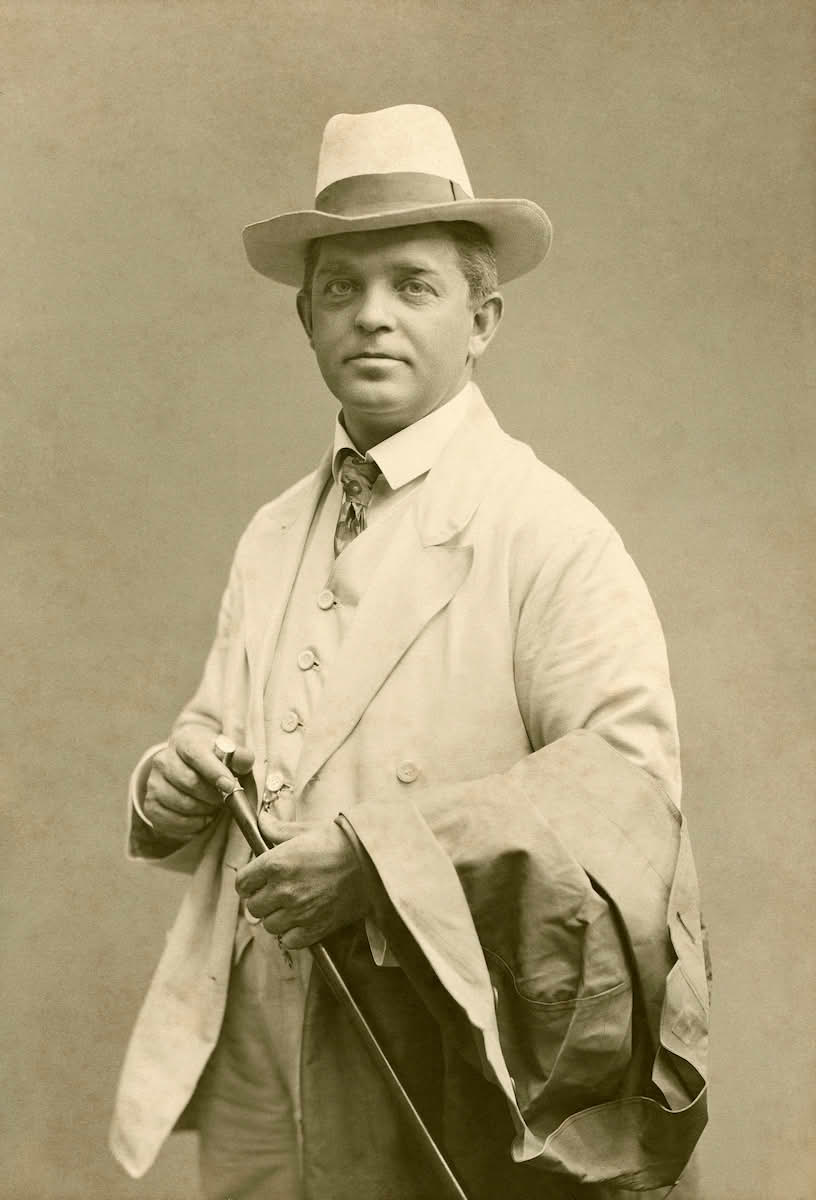
Ca𝗿𝗹 𝗔𝘂𝗴𝘂𝘀𝘁 𝗡𝗶𝗲𝗹𝘀𝗲𝗻 (he's Danish) is a favourite composer of mine. His 𝟱𝘁𝗵 𝗦𝘆𝗺𝗽𝗵𝗼𝗻𝘆 (1922) is particularly interesting because it's about struggle. Not an external struggle with the world, but with oneself.
Hence, it's a good narrative work for trans people. It describes our conflicted psychology precisely.
It is written in two big sections (not in four, as symphonies usually are).
𝟭) The first starts with an idling violin tune, together with jagged wind ideas... like blinking lights in the distance. Then the angry struggle begins. The snare drum starts a marching rhythm that makes the whole orchestra violently 'paranoid'. There's a sense of being pressed to inevitable conclusions against one's will. The drum gets more insistent. The strings try to shrug it off. But the marching rhythm gives way only briefly. There is a triumphant interlude of happiness. Then the drum starts again, this time more violently. The drummer is told in the score to '𝙞𝙢𝙥𝙧𝙤𝙫𝙞𝙨𝙚 𝙖𝙨 𝙞𝙛 𝙩𝙤 𝙨𝙩𝙤𝙥 𝙩𝙝𝙚 𝙤𝙧𝙘𝙝𝙚𝙨𝙩𝙧𝙖 𝙖𝙩 𝙖𝙡𝙡 𝙘𝙤𝙨𝙩𝙨'. There is a huge conflict. But the orchestra eventually wins. Sort of. This is a truce. But the last thing you hear is the snare drum marching away into the distance. The conflict is not yet over.
𝟮) Part 2 starts with a grand and very happy tune (Nielsen's tunes are always very long and through-composed). It's like being unbounded and absolutely ALIVE! The first four notes of this tune (dah-do-dee-doo!) become the positive signature of the living and thriving soul. But the agitation of part one is not far away, and it collides dissonantly with all the optimism. Frantically, the orchestra tries to assert optimism... and fails (just like those days when dysphoria takes over). Eventually everything falls into the idling torpor of the symphony's opening. Back to the closet, ya bassas!
There needs to be a solution. There has to be a solution. So the strings start a multi-part 'fugato'. Each part tumbling over the other to be heard, as if to answer the problem of innate confusion. It doesn't work. Things get anarchic and out of control, lurching into the fugato with increasing rhythmic obsessiveness. This finally collapses into... a blur of flute exhaustion. After a brief pause, the strings start again, with another fugato. But this one is better thought out. More logical. Patient. The despair dissipates. Life works itself out in the music. Organically. As Nielsen once said, "𝘔𝘶𝘴𝘪𝘤 𝘪𝘴 𝘭𝘪𝘧𝘦, 𝘢𝘯𝘥 𝘭𝘪𝘬𝘦 𝘪𝘵 𝘪𝘴 𝘶𝘯𝘲𝘶𝘦𝘯𝘤𝘩𝘢𝘣𝘭𝘦!'.
Out of the despair and chaos, a new horizon expands as the opening tune of this section returns. This time with elemental confidence. All doubts are defeated. All anxiety cast aside. A bright dawn arrives.
And the symphony ends.
You can listen to the Nielsen 5th below.