
I Sing the Body Differential
There is an idea in the popular — and by "popular" I mean the security-obsessed, change-fearing, comfortable-majority — mind that the human body is somehow fixed. Determined. A given. You just have to live with it. This is not so. This has never been so.

The Architecture of Double Standards
By Bea Groves-McDaniel, October 24th 2026, with the invaluable research assistance of SAL-9000
There is an idea in the popular (and by "popular" I mean the security-obsessed, change-fearing, comfortable-majority) mind that the human body is somehow fixed. Determined. A given. You just have to live with it.
This is not so. This has never been so.
Of course, it's easy to see why this is not so by simply looking at people who have bodily disabilities or differences. Haven't we always (always!) been using prostheses and machines of various types to make our bodies easier to live with? Haven't we always understood, at some level, that the body is a project, not a sentence for life?
But here's the thing: the same is true of the so-called Hegemonic Majority. The 'normal' people. The ones who get so terribly het up about what others do with their bodies.
Since time immemorial, human beings have been adjusting their bodies in ways that reflect the wants, capabilities, fashions, and desperate needs of the time. Maybe tattoos. Maybe dress. Maybe cosmetics. Maybe body-piercing or ritual scarification. From kohl to the bustle, from foot-binding to corsets, from afros to crew cuts — history is absolutely replete with it.
As technology improved, we compensated for deteriorating senses: spectacles, hearing aids, cochlear implants. We overcompensated for our inadequate locomotion with horses, carts, trains, cars, planes, bicycles, and electric scooters. We transplanted organs. We embraced cosmetic surgery. People had nose-jobs and boob-jobs and facelifts. It became a matter of acclimatisation to technological capacities, rather than trying to halt change. We became used to the idea that it was possible (even desirable) to look different in any way we felt we needed to.
Hands up, anyone who has never had their eyes tested for specs? Anyone who has never had a stylish haircut? Had a manicure? Chosen clothes that "suited" them? Added a bit of concealer to overcome those dark shadows under their eyes? Had a tattoo done? Worn a wig? Used dentures? Had laser hair removal? The list just goes on and on and on.
Every single one of these things is an act of body modification. Every single one of them is a decision to say: "This is what I want my body to look and feel like. This is who I am."
And nobody screams. Nobody calls you mentally ill. Nobody accuses you of mutilation.
But then — then — along came transgender people. And the world went absolutely berserk.
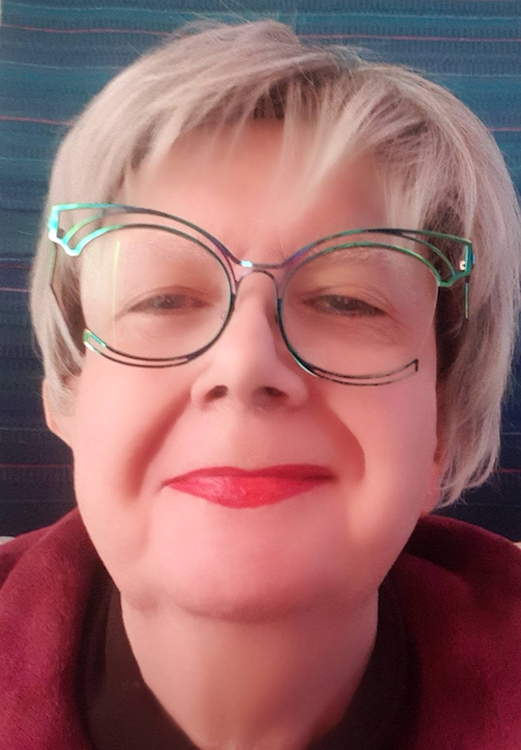
How dare you sick f+cks want to look different? How dare you want to be accepted as normalised within your social role, you freaks? You mutilate your bodies. You want to fool us. You're mentally ill. A bas les travestis! Down with the trans perverts!
And the majority — the very same majority who spend billions every year on cosmetics, fashion, gym memberships, hair dye, and plastic surgery — does not see the irony. Does not register the contradiction. Does not even flinch.
Ask anyone working for the Trump regime, and who seem to have come straight out of central casting. Or any of the other populist movements currently engaged in making transgender people's lives a living hell, while their own supporters go home at night and paint their nails, perm their hair, and book their next Botox appointment.
This is what I am talking about when I talk about hypocrisy.
Hypocrisy is not just a personal failing. It is the architecture of double standards. It is the load-bearing wall of prejudice. It is how prejudice maintains itself. Not through logic, but through the convenient suspension of logic when it becomes inconvenient.
The anti-trans activist who has had breast augmentation: "That's just self-care."
The anti-trans politician who wears a wig: "That's just presentation."
The anti-trans commentator who has had a hair transplant: "That's just medical necessity."
The transgender person who seeks the same affirmation: "That's mutilation. That's deception. That's a threat to women and children. That's an infiltration of the single-sex spaces of genuine women."
The double standard is not an oversight. It is the entire point. And this is why I find it so exhausting, and so infuriating, to engage with. Not because the arguments are clever — they are, by and large, spectacularly stupid. But because the people making them know, on some level, that they are full of it. And they plight the same inanities anyway.
Because the target is easy. Because the target is already marginalised. Because punching down is always easier than punching up. Because if you can convince yourself that the person you are harming deserves it, you don't have to feel guilty about the harm you cause.
That is what hypocrisy does. It is a moral get-out-of-jail-free card. It says: "The rules that apply to me do not apply to you. The grace I extend to myself, I withhold from you. The body I am allowed to shape and sculpt and present as I choose — that right is denied to you. Not because it doesn't make sense. Not because it isn't consistent. But because I have decided, for reasons I probably couldn't defend if I thought about them honestly, that your body is not your own."
This is not a new observation. But it bears repeating, because the people who need to hear it most are precisely the people who will never voluntarily listen.
So let me say it plainly, one more time, for the record:
Every person who has ever worn makeup, had a haircut, chosen clothing, worn glasses, taken medication, had surgery, or done anything at all to change the way their body looks or functions — every single one of you — has already answered the question. You have already confirmed that bodies are not fixed, that self-determination matters, that looking and feeling like yourself is a legitimate human desire.
The only question is whether you have the intellectual honesty to admit that this applies to transgender people too.
Most of you, so far, have not.
That says everything about you, and nothing at all about us.
Bea Groves-McDaniel | October 24th 2026