
A Guide for Transgender People
The Equality and Human Rights Commission (EHRC) Code of Practice became operational on 5 August 2026
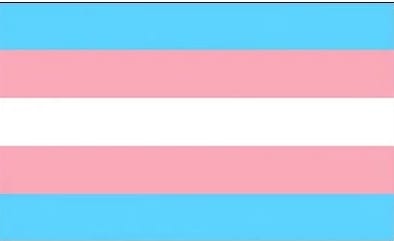
About the EHRC Code: A Guide for Transgender People
The Equality and Human Rights Commission (EHRC) Code of Practice became operational on 5 August 2026. Here is what it means for you.
What Does the Law Actually Protect?
The Equality Act 2010 protects transgender people from discrimination, harassment, and unfair treatment in services and public functions. This protection applies to you if you are proposing to undergo, are undergoing, or have undergone any part of a gender reassignment process — you do not need to have had any medical intervention to be protected.
The protected characteristic is called "gender reassignment."
In Most Places, You Have Full Protection
In the vast majority of settings — pubs, clubs, restaurants, shops, banks, libraries, gyms, hotels, taxis, public transport, schools, universities — a service provider cannot lawfully discriminate against you because you are trans. Full stop.
This means they cannot:
- Refuse you service
- Give you a lower standard of service
- Treat you worse than a cisgender customer
- Harass you or make offensive comments
If any of this happens, you can make a formal complaint.
Where the Law Allows Exceptions — and Why That Matters
The Equality Act does contain narrow exceptions that allow single-sex services to restrict access in specific circumstances. These are tightly defined, and the provider must be able to justify that their action was necessary and proportionate — not merely convenient or preferable.
The key principle from the Code is this: exceptions must be interpreted restrictively. A service provider cannot simply say "we don't serve trans people." They must demonstrate why the exception applies in their specific case.
Three areas come up most often:
1. Refuges and Domestic Violence Services
Some domestic violence refuges are lawfully able to offer single-sex accommodation. However, the Code is clear that providers should not assume exclusion is automatic. They must consider whether the service could be provided in a way that does not exclude you and whether their reason for exclusion is proportionate.
In practice: If you are a trans woman fleeing domestic violence, you should still be able to access support. Contact a specialist organisation such as Stonewall, Mermaids, or a local LGBTQ+ service for advocacy support.
2. Changing Rooms, Toilets, and Similar Facilities
The Code confirms that separate facilities for men and women can restrict access in certain circumstances. However, it does not say that all trans people must use facilities other than those matching their gender identity.
In practice: Most venues — shops, restaurants, pubs, workplaces, leisure centres — cannot lawfully force you to use a facility that does not match your gender presentation. If challenged, you can calmly point out that the Equality Act protects your access.
3. Competitive Sports
Sports and competitive activities can set eligibility criteria based on gender. However, these must be applied proportionately and in accordance with the relevant sporting body's guidance. Trans participation in sport is governed by specific NGB (National Governing Body) rules.
In practice: For casual or recreational sport, exclusion is very difficult to justify. For competitive sport, check the specific rules of the relevant governing body.
The Gender Recognition Certificate — What Changes
If you have obtained a Gender Recognition Certificate (GRC), your acquired gender is legally recognised in all circumstances, including for the purposes of single-sex services. A GRC provides the strongest possible legal protection.
Even without a GRC, you remain protected under the gender reassignment provisions of the Equality Act. You do not need a GRC to be protected from discrimination in most service settings.
If You Are Challenged
Stay calm. You are not doing anything wrong.
- You do not have to justify yourself — you are not obligated to explain your trans status, show medical evidence, or disclose your birth certificate. The gender reassignment protected characteristic covers you regardless.
- Ask for the policy in writing — if a venue claims they have a lawful reason to exclude you, ask them to show their policy and explain exactly why the exception applies to you specifically.
- Do not leave unless it is safe to do so — leaving under protest, when you are legally entitled to remain, creates a record. If you feel threatened or unsafe, prioritise your physical safety.
- Note the details — time, date, venue, names of staff involved, what was said, and any witnesses. This is essential for any subsequent complaint.
- Seek support — contact a trans advocacy organisation, your local council's equalities team, or a solicitor. Mermaids, Stonewall, and the LGBT Foundation all provide advice and advocacy.
- Make a complaint — every service provider has a complaints procedure. If they have discriminated against you, their complaints process is the first step. If unresolved, you can take the matter to the Equality and Human Rights Commission or the courts.
Key Points to Remember
- You are protected at every stage of gender reassignment — before, during, and after
- Most services cannot exclude you — the exceptions are narrow and must be justified
- You do not need a GRC to be protected from discrimination in most settings
- If challenged: stay calm, do not explain unnecessarily, note everything, seek support
- You have the right to challenge discrimination — and to be supported in doing so
This guide is intended as general information, not legal advice. For advice on your specific situation, contact a trans advocacy organisation or qualified solicitor.
Sources: Equality Act 2010; EHRC Code of Practice for Services, Public Functions and Associations (2026); Equality Act 2010 (Schedule 3).